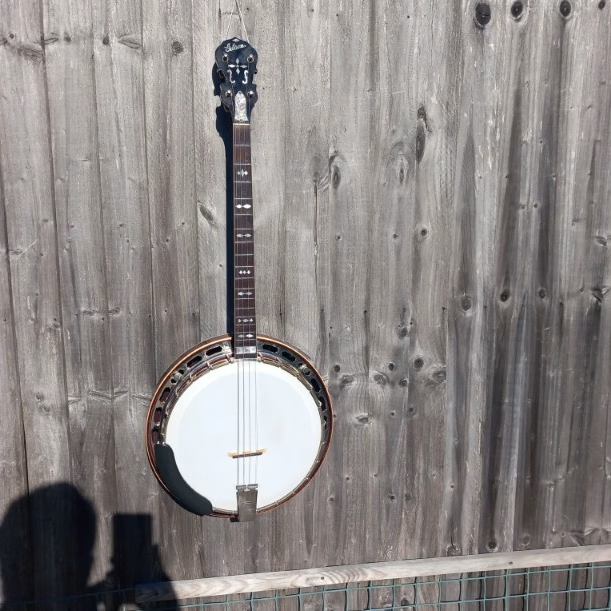
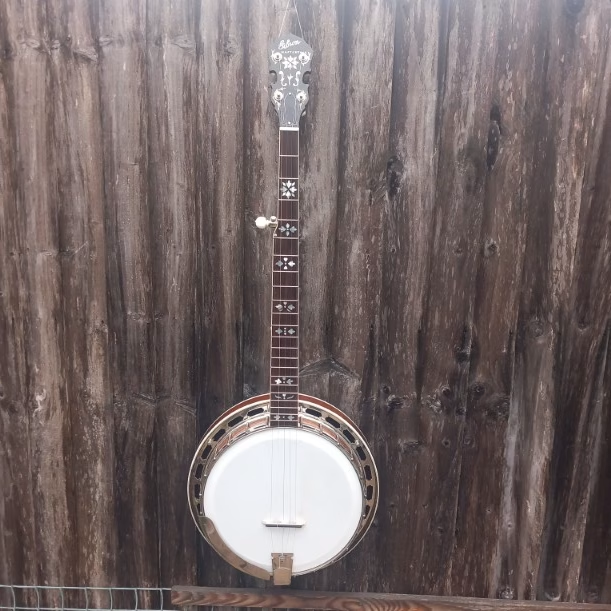
Gibson Instruments for Sale
Kalmazoo, where it all began
The history of Gibson is a journey from small-town woodworking to defining the sound of modern music. It began in 1894 in Kalamazoo, Michigan, where Orville Gibson, a restaurant clerk and self-taught luthier, began crafting mandolins and guitars. Unlike the flat-backed instruments of the time, Orville applied violin-making principles—using carved, arched tops—to improve volume and tone. This innovation led to the formal founding of the Gibson Mandolin-Guitar Mfg. Co, Ltd. in 1902.
Mandolins
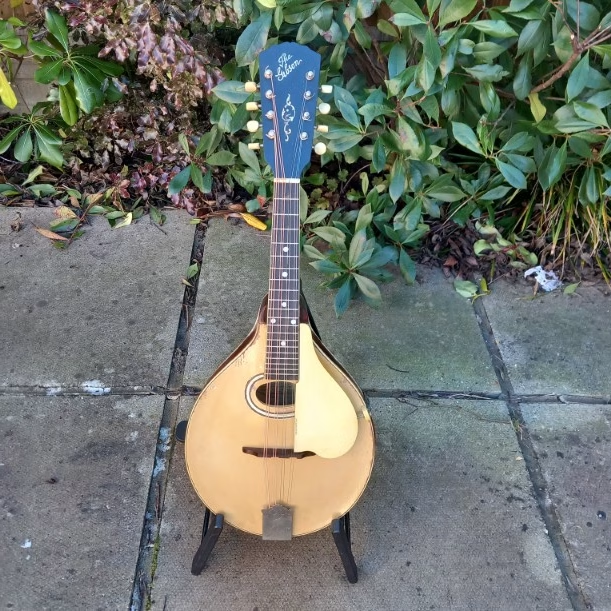
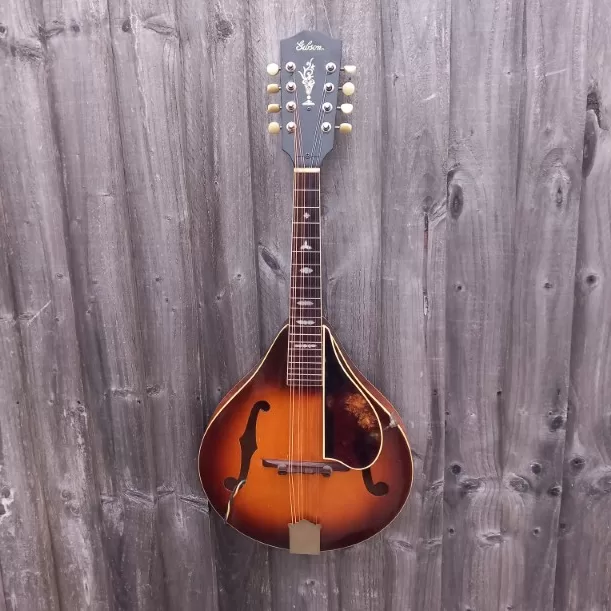
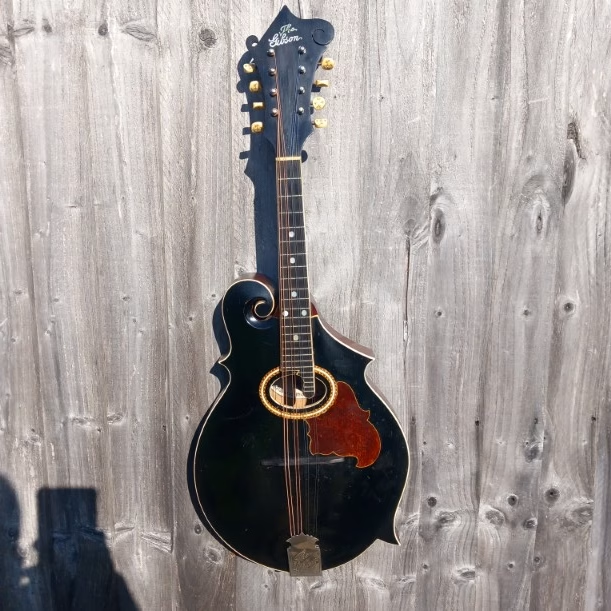
In the early 1900s, Orville Gibson and the company’s founders focused heavily on the Mandolin, which was the most popular social instrument in America at the time. By applying his signature arched-top construction to the Gibson A-style and the ornate F-style (Florentine) mandolins, Gibson effectively rendered the old-fashioned “tater-bug” (round-back) mandolins obsolete. These instruments were so loud and durable that they fueled the “Mandolin Orchestra” craze that swept the United States before World War I.
The Jazz Age
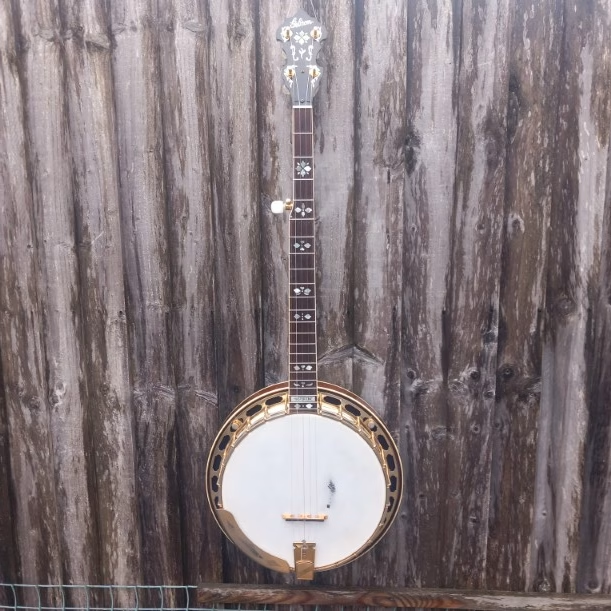
As musical tastes shifted toward the “Jazz Age” in the 1920s, Gibson pivoted to the Banjo, which provided the rhythmic “snap” needed to cut through brass bands. Under the guidance of acoustic engineer Lloyd Loar, Gibson developed the Mastertone series of banjos starting in 1923. These featured a revolutionary “tone ring” and a resonator back, creating a piercing, metallic clarity. While originally intended for four-string tenor players in jazz bands, these Mastertone designs—specifically the RB-3 and RB-4—later became the holy grail for five-string bluegrass players like Earl Scruggs, defining the sound of an entire genre.